
How to Dye Fabric with Mimosa Hostilis Root Bark
The bark of Mimosa hostilis (botanical name Mimosa tenuiflora) is rich in tannins. A laboratory study of the bark found that tannins are its main group of compounds, at about 16 percent. Those tannins are why the tree has long been used for tanning and as a colourant, and textile researchers have dyed cotton with its extract. This guide covers one simple home method for wool, silk, cotton and linen.
What colour to expect
Tannin dyes give shades from pale yellow to dark brown. With this bark, expect browns that lean pink, red or purple. The exact shade depends on your fibre, your water, the mordant and how much bark you use.
How well the colour lasts
In the cotton study, wash, rub and light fastness were rated moderate, and tannin dyes in general fade with age. Treat this as a craft dye: wash gently and keep dyed pieces out of strong sun.
What you need
- Shredded or powdered bark
- Natural-fibre fabric or yarn
- A stainless steel pot and utensils you keep only for dyeing
- A kitchen scale, a strainer or cloth, and rubber gloves
Step by step
Step 1: weigh your dry fibre. Dyers work from the "weight of fibre" (WOF). Every other quantity is a percentage of it.
Step 2: wash the fibre. Wash it with a pH-neutral soap and rinse well. Oils and finishes block the dye and cause patchy colour.
Step 3: decide on a mordant. A mordant helps dye bind to fibre. Common recipes use alum at 12 percent to 20 percent of the fibre weight. It matters most on cotton and linen.
Step 4: make the dye bath. For a deep shade, start with the same weight of bark as fibre. Use half that for lighter tones. Cover the bark with water, simmer gently for about an hour without boiling, then strain out the bark.
Step 5: dye. Add the wet fibre and enough water for it to move freely. Hold it just below a simmer for 45 to 60 minutes, stirring now and then. For deeper colour, let the fibre cool in the bath overnight.
Step 6: shift the colour (optional). Iron at around 2 percent of the fibre weight turns the colour darker and greyer. Go carefully with wool and silk, because iron can make protein fibres brittle.
Step 7: rinse and dry. Rinse in cool water until it runs clear and dry in the shade. Wash dyed items separately the first few times.
Tips for better results
- Always dye a small sample first. Water, fibre and bark all vary.
- Keep the bark after the first bath. A second simmer usually gives a lighter shade.
- Shredded bark strains out easily. Powder releases colour faster but needs a fine cloth to filter.
How much bark you need
Everything follows from the weight of your dry fibre, so weigh it before you do anything else. These amounts use the ratio from Step 4.
| What you are dyeing | Dry weight (about) | Bark for a deep shade | Bark for a light shade |
|---|---|---|---|
| One skein of yarn | 100 g | 100 g | 50 g |
| One cotton T-shirt | 150 g | 150 g | 75 g |
| A metre of medium-weight fabric | 250 g | 250 g | 125 g |
| A small batch for a market stall | 1 kg | 1 kg | 500 g |
Your own pieces will weigh more or less than these, so trust your scale over the table. If you are between two amounts, use the larger one. A dye bath that is too strong can be used again; a pale result means starting over.
For any other weight, our dye calculator works out the bark, alum and iron for you.
Wool and silk versus cotton and linen
The method is the same for every natural fibre, but the fibres do not behave the same way in the pot.
Wool and silk are the forgiving ones. Keep the heat gentle and change temperature slowly. Wool that is boiled, stirred hard or dropped from hot water into cold will felt, and no rinse will undo that.
Cotton and linen ask for more patience. Wash them thoroughly first, because shop-bought fabric often carries a finish that resists dye, and do not skip the mordant from Step 3. Leaving the fabric in the cooling bath overnight makes a visible difference on these fibres.
Synthetics such as polyester and acrylic will not take this dye. A blend picks up colour only on its natural share, so a 50/50 cotton-polyester shirt comes out much paler than a pure cotton one.
When the result is not what you wanted
Patchy colour. Nearly always one of two things: the fibre was not washed well enough, or the pot was too crowded for it to move. Use a bigger pot or dye less at once, and stir gently every ten minutes.
Colour too pale. Use more bark, simmer the bark longer before you strain it, or leave the fibre in the bath overnight. You can also dry the piece and dye it a second time. Colour builds in layers.
Colour duller or greyer than expected. Check your pot and your water. Iron darkens tannin dyes, which is useful when you add it on purpose in Step 6 and frustrating when it comes from a rusty pot or hard well water. Stainless steel and filtered water remove the guesswork.
Colour washes out. Some loss in the first rinse is normal. If a lot goes, the fibre probably needed a mordant or more time in the bath.
Why this bark dyes so well
The colour comes from tannins. A botanical study of the tree in Mexico describes its bark as rich in tannins and records its long use for working leather and dyeing fabric. Tannins do two useful things in a dye pot. They cling to plant fibres such as cotton and linen, which most natural dyes struggle to do, and they react with metal salts. With alum the colour brightens and holds. With iron it turns dark, because iron and tannin form a blue-black compound, the same reaction woodworkers use to blacken oak.
Preparing the fibre
Most disappointing results start here, before any bark is involved. Weigh the fibre dry, then wash it in hot water with a mild soap or detergent to remove oils, starch and factory finishes. Fabric sold as "prepared for dyeing" has had this done already. The amount of water in the pot does not need measuring. What matters is that the fibre can move freely, because crowded fibre dyes in patches.
Mordanting, step by step
Wool and silk. Dissolve alum at about 15 percent of the fibre weight in hot water and add it to a pot of warm water with the wet fibre. Heat slowly to 85 to 90°C, hold it there for an hour, stirring gently, then let it cool for half an hour. Mordanted fibre can be dried and stored until you are ready to dye.
Cotton and linen. The classic method is two baths: a tannin soak first, then alum at about 15 percent in fresh hot water for one to two hours, without boiling. Dyes that are themselves rich in tannin can skip the separate tannin bath, and this bark is one of them. So for most projects you can go straight to the alum bath and then into the dye. If you want the most even, lasting result on cotton, do the full sequence.
Using iron without ruining the fibre
Iron is the quickest way to change the colour, and the easiest way to overdo it. Use ferrous sulphate at 2 to 4 percent of the fibre weight, and use it as a separate bath after dyeing, not stirred into the dye pot. Warm the bath to about 80°C, leave the fibre in for up to 30 minutes, and rinse well. Iron is hard on wool and silk and can leave them brittle, so start at the low end and shorten the time. An iron pot will shift your colours too, which is one more reason to dye in stainless steel.
How it compares with other tannin dyes
| Dye material | Typical amount (of fibre weight) | Colour |
|---|---|---|
| Mimosa hostilis root bark | 50 to 100% | Browns that lean pink, red or purple |
| Oak bark | 50 to 100% | Golden beige to warm brown |
| Walnut hull powder | 50 to 100% for dark shades | Light to deep brown |
All three are used the same way, so if you have dyed with oak or walnut you already know the method. The reason to choose this bark is the colour: where oak gives golden browns and walnut gives cool ones, tepezcohuite gives a brown with pink and purple in it.
Looking after dyed pieces
Wash by hand or on a cool, gentle cycle with a mild, pH-neutral soap. Wash dyed pieces with similar colours, dry them in the shade and store them away from a sunny window. Treated like this, the colour softens slowly over the years, which many dyers count as part of its character.
Quick answers
Can I dye leather with it? The bark has a long history in leather tanning, but tanning hides is a different process from dyeing cloth and is outside this guide.
Can I use my cooking pots? No. Keep a separate pot, spoon and strainer for dyeing.
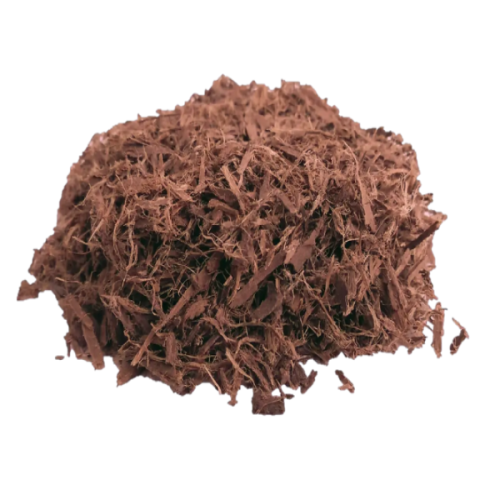
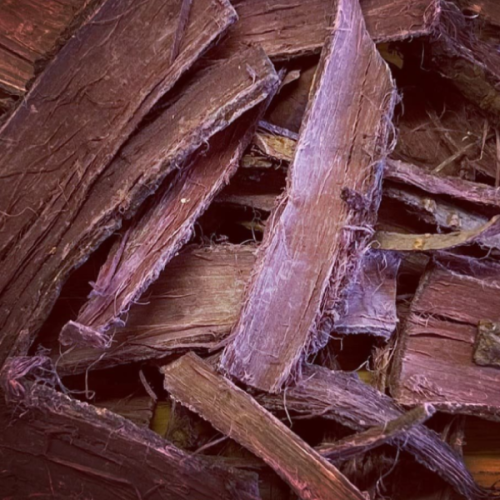
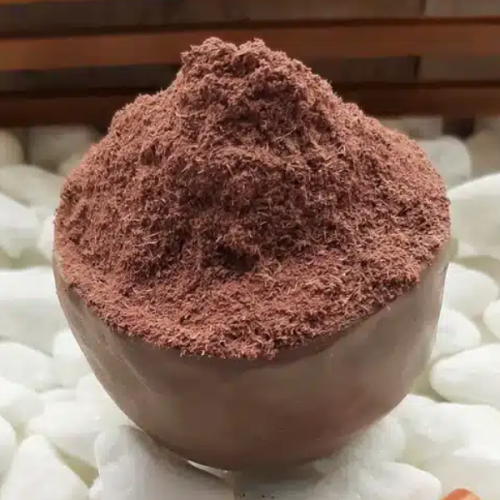
Which form of bark should I buy for dyeing? Shredded root bark is the easiest to strain. Powder is faster. This comparison covers the differences.
Safety
Keep dye pots and tools out of the kitchen rotation, wear gloves, and work with good ventilation. Our bark is sold for dyeing, soap making and external cosmetic use only, not for consumption.
Ready to start? See our shredded root bark and root bark powder.
More guides: how to colour handmade soap and whole, shredded or powder: which form to buy.
Quantities are standard natural-dye starting points, so test on a sample first.
Sources
Free Delivery
(2-3 Days)
Overnight (24hrs) Delivery
($20)
Opening Hours
(9AM to 6PM Monday To Saturday)