How to Color Handmade Soap with Mimosa Hostilis Root Bark
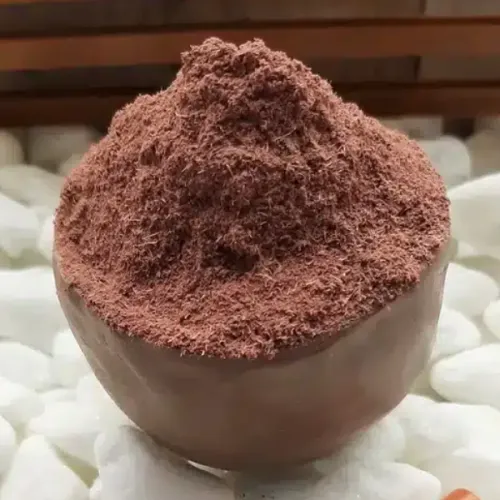
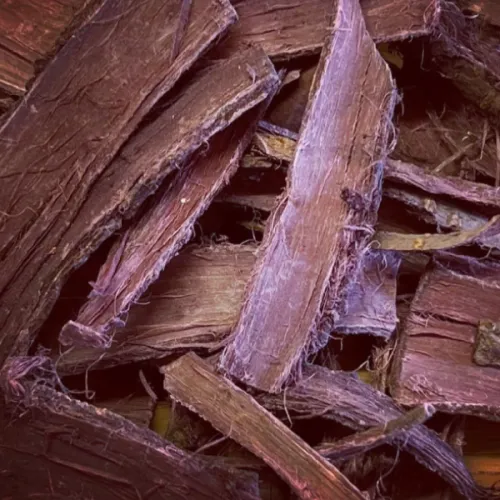
Soap makers know this bark as tepezcohuite. Its tannins give bars a natural brown color, often with a pink or purple cast, without synthetic dyes, and the powder adds a light exfoliating texture. Here are three ways to use it.
Method 1: powder at trace (cold process)
This is the simplest method.
- Measure about 1 teaspoon of powder per pound (450 g) of soap, the usual starting rate for powdered colorants. Use less for a pale tint.
- Mix the powder into about three times its volume of a light oil until no lumps remain, the dispersion ratio soap suppliers recommend. Dry powder dropped straight into the batter clumps and leaves dark specks.
- Stir the mixture into your soap at light trace, then pour as usual.
Method 2: oil infusion
For color without specks, infuse the bark instead.
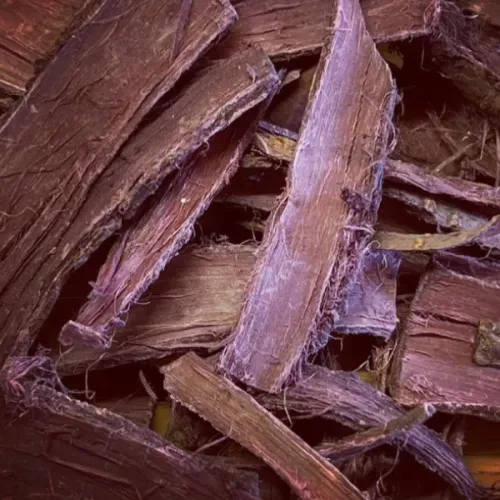
- Cover shredded bark with a liquid oil from your recipe, such as olive oil.
- Keep it warm for a few hours, or leave it in a sealed jar for several weeks, shaking now and then.
- Strain through a fine cloth and use the oil as part of the oils in your recipe.
Method 3: water infusion
Simmer shredded bark in distilled water, let it cool completely, strain it, and use it in place of the plain water for your lye solution. This is the least predictable method, because lye changes many plant colors.
Melt and pour
Disperse a small amount of powder in a little glycerin or alcohol first, then stir it into the melted base. Fine powder can settle, so pour at a lower temperature and stir until the base starts to thicken.
What to expect
- The color will shift. Cold process soap is strongly alkaline, and natural colorants can change shade as the soap cures. Judge the result after four to six weeks, not on the day you pour.
- More is not better. Too much powder makes a scratchy bar and can tint the lather. As one supplier puts it, the bubbles should stay white.
- Make a test batch first. Results depend on your oils, your water and your bark.
Which method should you choose?
| Powder at trace | Oil infusion | Water infusion | |
|---|---|---|---|
| Look of the bar | Color with fine speckles | Even color, no speckles | Even color, least predictable shade |
| Exfoliation | Light | None | None |
| Effort | Lowest | Needs planning ahead | Moderate |
| Best form of bark | Powder | Shredded | Shredded |
| Good first choice? | Yes | Yes, if you want a smooth bar | Try it after the other two |
If this is your first batch with the bark, use Method 1. It takes five extra minutes, and you can see straight away how much color a teaspoon gives in your recipe.
Amounts for common batch sizes
These follow the starting rate in Method 1. Scale down for a pale tint.
| Batch of soap | Powder to start with | Oil to disperse it in |
|---|---|---|
| 1 lb (450 g) | 1 teaspoon | 1 tablespoon |
| 2 lb (900 g) | 2 teaspoons | 2 tablespoons |
| 5 lb (2.25 kg) | 5 teaspoons | 5 tablespoons |
Take the dispersing oil out of your recipe total, so the batch is not thrown off balance.
Fixing common problems
Dark specks or streaks. The powder went in dry or was not mixed smoothly. Next time work it into the oil with the back of a spoon until it looks like thin paint, and add it through a small sieve.
The color changed while curing. That is normal with plant colorants in cold process soap. Keep one bar from every batch and write the amount on it. After three or four batches you will know what your recipe does.
The bar feels scratchy. There is too much powder in it. Halve the amount, or switch to an oil infusion for color without texture.
The lather is tinted. Again, too much colorant. Reduce it until the lather stays white.
The color is weaker than you hoped. Add a little more powder next time, or combine methods: infused oil for the base color and a small amount of powder at trace.
Exact amounts for an oil infusion
Herbalists infuse dried plants at a ratio of 1 part plant by weight to 5 parts oil by volume, and it works well here. That is 20 g of shredded bark for every 100 ml of oil.
| Infused oil you want | Shredded bark | Oil to start with |
|---|---|---|
| 100 ml | 20 g | About 120 ml |
| 250 ml | 50 g | About 300 ml |
| 500 ml | 100 g | About 600 ml |
Start with a little extra oil, because the bark holds on to some of it when you strain. Keep the jar gently warm in a pan of water for four to six hours, or leave it sealed in a warm place for several weeks. Strain it through a fine cloth and weigh the infused oil as part of the oils in your recipe.
Why the color is never quite the same twice
Soap suppliers say plainly that botanical colorants give unpredictable shades, and that the same recipe can come out differently from one batch to the next. The cause is the lye. Fresh cold process soap is strongly alkaline, and a high pH makes many plant colors shift. With this bark, expect a brown that can lean pink, tan or gray depending on your oils and how much you use.
Three habits make the result repeatable:
- Weigh the colorant as well as measuring it by the teaspoon, and write the weight down.
- Change one thing at a time. A new oil, a new amount and a new method in the same batch tell you nothing.
- Keep a cured bar from every batch with the details on a label. It is the only color chart that matches your recipe.
How to tell you have used too much
The test suppliers recommend is simple: the lather should be white. Wash your hands with a cured bar. If the bubbles are tinted, there is more colorant in the soap than it can hold, and it may mark washcloths. Use less next time, or move the color into an infusion.
Looking after the color
Cure bars somewhere cool and airy, out of direct sunlight, and store finished soap the same way. Plant colors soften over time, faster in bright light. Wrapped bars kept in a drawer hold their color longer than bars left on a sunny shelf.
Quick answers
Can I mix it with other natural colorants? Yes. Soap makers often pair it with clays to shift the shade. Change one thing at a time so you know what caused the result.
Does the kind of oil in my recipe matter? It affects the final shade. A recipe heavy in dark green olive oil gives a different brown from one built on pale oils.
If I sell my soap, what can I say about it? Describe the color and the ingredient, and avoid claims that it treats a skin condition. In the United States a product sold with treatment claims can be regulated as a drug. The FDA explains the difference between a cosmetic, a drug and soap.
Safety
Follow normal lye safety: gloves, eye protection and good ventilation. Patch test finished soap before regular use. Our bark is sold for dyeing, soap making and external cosmetic use only.
Root bark powder is the easiest form for Method 1. Shredded bark is the better choice for infusions.
More guides: how to dye fabric with the bark and whole, shredded or powder: which form to buy.
Usage rates are general soap-making starting points, so make a test batch first.
Sources
Free Delivery
(2-3 Days)
Overnight (24hrs) Delivery
($20)
Opening Hours
(9AM to 6PM Monday To Saturday)