Tepezcohuite in Skincare: Tradition and Research
Mimosa Hostilis Bark in Skincare: Why Makers Are Paying Attention
Have you come across Mimosa hostilis, also known as jurema bark or tepezcohuite? This tree bark from Mexico and South America is showing up in more natural skincare products. Here is what it is, and why cosmetic makers use it.
Indigenous communities have used jurema bark on the skin for generations, and that tradition is the reason it appears in modern creams and soaps. Here is what draws makers to it:
Rich in Tannins
The bark is naturally high in tannins and other plant compounds, which is why it has such a long history in both dyeing and skin preparations. Brands often feature it in products aimed at mature skin, although research on its cosmetic effects is still limited.
A Traditional Skin Ingredient
In Mexico, powdered tepezcohuite has traditionally been applied to the skin, and it remains a familiar ingredient in local creams, balms and soaps. These are traditional uses, not medical claims: cosmetic products are not a treatment for wounds, burns, acne or eczema, and anyone with a skin condition should see a doctor.
Easy to Formulate With
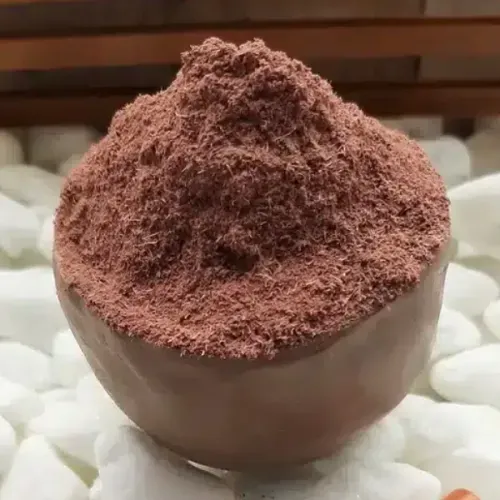
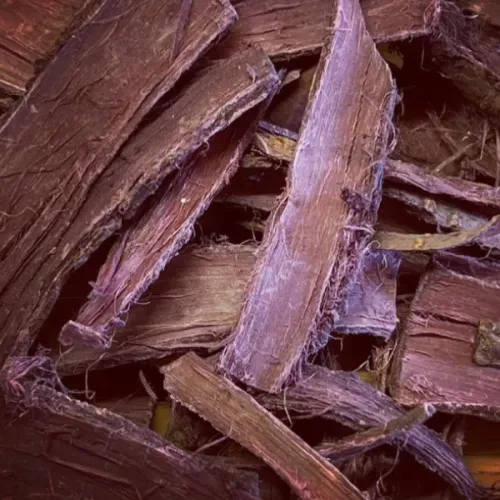
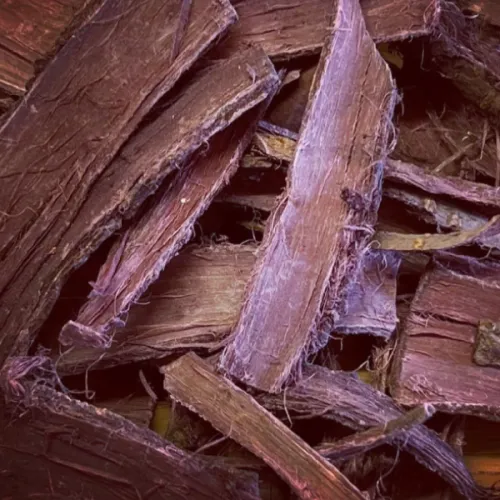
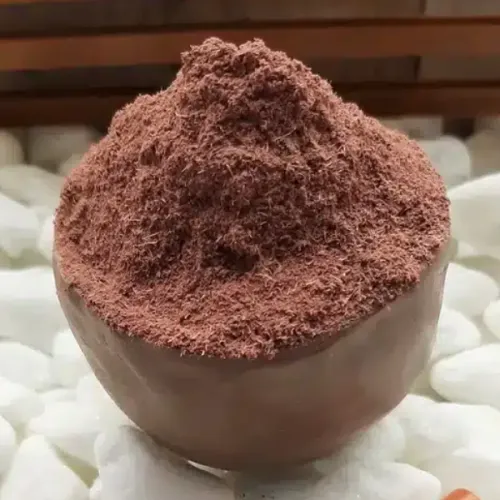
The powder blends into masks, scrubs and soap, and shredded Mimosa hostilis root bark is convenient for oil or water infusions. It also gives products a natural purple-brown color without synthetic colorants.
How Makers Use It
- Powdered bark: Mimosa hostilis bark powder blends into masks, scrubs and soap, where it also works as a gentle physical exfoliant.
- Infusions: steep the bark in water or oil, strain it, and use the infusion as the liquid or oil in a soap or balm recipe.
- A simple scrub: mix a small amount of powder with water, honey or yogurt, and rinse well. The bark is a strong natural dye, so it can stain cloths and light surfaces.
What to look for on a label
If you want to see how established brands use it, check the ingredient list on a tepezcohuite cream or soap. It normally appears under its botanical name, as Mimosa Tenuiflora Bark Extract, or as tepezcohuite in products made in Mexico. Where it sits in the list tells you roughly how much is in the product, since ingredients are listed from most to least.
Three simple ways to try it at home
A clay mask. Stir a pinch of root bark powder into a spoonful of cosmetic clay, add water a few drops at a time until it forms a paste, and use it straight away. Leave it on for a few minutes and rinse well. Start with very little powder. It colors strongly, and a mask that is too dark can leave a temporary tint on fair skin.
An infused oil for balms. Cover shredded bark with a stable oil such as olive or jojoba, keep it gently warm for a few hours, then strain it through a fine cloth. Use the oil as part of the oil in a balm or salve recipe. You get the color without any grit.
Handmade soap. This is where most makers start, and it is the easiest way to see what the bark does. Our soap coloring guide gives three methods with amounts.
How to patch test
Put a small amount of the finished product on the inside of your forearm, cover it and leave it for 24 hours. If the skin turns red, itches or stings, wash it off and do not use the product. Do this with every new formula, and ask anyone you make products for to do the same. Natural does not mean it suits everyone.
Being honest about what it does
Tepezcohuite has centuries of traditional use behind it and a growing presence in cosmetics. What it does not have yet is a large body of clinical research on cosmetic use. So enjoy it for what you can see and feel: a rich natural color, a gentle scrub from the powder, and an ingredient with a real history.
If you sell what you make, keep your wording to match. In the United States a product sold with claims that it treats or prevents a condition can be regulated as a drug and not a cosmetic. The FDA sets out the difference in its guide to cosmetics, drugs and soap.
How tepezcohuite became famous
The bark was a local material in southern Mexico, in Oaxaca and Chiapas, long before it was a cosmetic ingredient. It became known across the country in the 1980s. After a series of disasters, including the 1984 gas explosion at San Juan Ixhuatepec and the 1985 Mexico City earthquake, television reports about the bark being used on burns turned it into a household name, and from about 1987 it was widely sold as the "skin tree." Soaps, creams, shampoos and powders followed, and many of those products are still on Mexican shelves today.
What the research does and does not show
It is worth being straight about this. The main botanical review of the tree in Mexico found that the laboratory results on its effects were not conclusive, and that more study was needed before it could be approved as a medicine. The same review warns that the powder should not be put on serious burns, where it can form a hard crust.
So we sell the bark as a cosmetic and craft ingredient and nothing more. It gives color, a light scrub and a link to a real tradition. It is not a treatment for wounds, burns or any skin condition, and nobody should use a homemade product in place of medical care.
Amounts for the two most useful preparations
Infused oil. Use 1 part shredded bark by weight to 5 parts oil by volume: 20 g of bark in 100 ml of olive or jojoba oil. Keep it gently warm for four to six hours and strain it through a fine cloth.
Balm. Melt 1 part beeswax into 8 parts infused oil. For a small 60 ml tin that is about 7 g of beeswax and 53 ml of oil. A little more wax gives a firmer balm, a little more oil a softer one.
The project planner scales both to any jar size.
Keeping homemade products safe
- Oil-only products keep best. Infused oils and balms contain no water, so they last for months in a cool, dark place.
- Anything with water is single-use. A mask mixed with water, honey or yogurt should be made fresh and used straight away.
- Work clean. Dry jars, clean spoons and clean hands matter more than any ingredient.
- Label everything with the date and what is in it.
Quick answers
Which form should I buy for skincare? Powder for masks, scrubs and soap. Shredded bark for oil or water infusions.
Will it stain my skin? Used sparingly and rinsed well, no. It will stain towels, cloths and light surfaces.
Can I use it on broken or irritated skin? No. Keep homemade products for healthy skin and see a doctor about any skin condition.
If you make your own skincare or soap, patch test every new formula and keep it for external use. Mimosa Root Bark Store supplies the bark whole, shredded and powdered.
Sources
Free Delivery
(2-3 Days)
Overnight (24hrs) Delivery
($20)
Opening Hours
(9AM to 6PM Monday To Saturday)